


How to get the most out of team building? Make time for debriefing
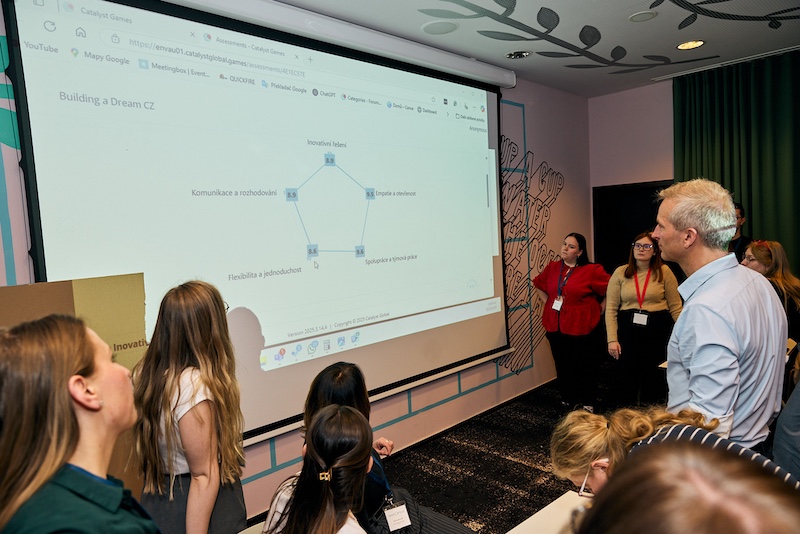
A shared experience is just the beginning. What really matters comes when the team discusses what they will take back to work.
The final task is complete, the winners have been announced, and the team has shared an experience. Job done? If your team building also had a specific development goal, it would be a shame to stop here. This is where debriefing comes in: a shared reflection on what happened during the activity, why it happened, and what you can do differently next time.
At Catalyst, we recommend including a debrief in every team building programme that works towards a specific goal. Not as a mere formality at the end of the programme, but as an opportunity to connect the experience with the way the team works every day.
From “what we experienced” to “what we will do differently”
Debriefing is not simply about asking whether participants enjoyed the activity. It involves reflecting on how they worked together, the challenges they encountered, and how they responded to different situations. What influenced their decisions? When did they help each other, and when did they make things harder for themselves? And how could they approach a similar situation more effectively next time? The aim is to gain perspective!
It is just as important to identify what worked. Evaluation does not have to be just about finding mistakes. It is also an opportunity to recognise strengths and agree on how to make even better use of them.
Not just about the game. About how your team works, too
We tailor the questions not only to the specific activity, but also to the challenges your team is currently facing and its circumstances. The final reflection can therefore offer valuable insights into team communication, decision-making, and collaboration. It can help bring to light critical areas that need attention, as well as strengths you can build on.
Instead of a general “How was it?”, we might ask, for example:
- How did you agree on a shared approach, and what helped you do so?
- What happened when someone had a different opinion?
- How did you respond when the plan stopped working?
- How did you check that you understood the customer’s requirements in the activity, and how did you communicate with them about the project’s progress?
- What strategy and quality control process did you use during the construction phase to ensure that the finished project met the customer’s exact specifications in the game?
The aim is not to find someone to blame or to label individuals. It is to understand together what is happening and identify a useful next step.
Open discussion: room for different perspectives
One option is a guided discussion. Our facilitator starts it with open-ended questions and gives participants space to describe their own experience. They can ask follow-up questions, revisit specific situations, and help the team compare different perspectives on the same moment.
The advantage is direct feedback and the opportunity to explore issues in depth. When an interesting observation comes up, we do not have to leave it at a single sentence. Together, we can explore what lies behind it and what it means for the team.
However, this format needs the right conditions. Above all, people must be willing to speak openly. Not everyone feels comfortable sharing their opinions in front of others, and not every group is ready for this kind of discussion. Group size also matters: working in smaller groups is advisable if everyone is to have a chance to contribute. Otherwise, an evaluation involving the whole group can take considerably longer.
The Assessment tool: involving large groups, too
How can we give more participants a voice at the same time? This is why we developed our own evaluation software, The Assessment tool. Participants access it through a web interface on a mobile device, either on behalf of their whole team or as individuals, and answer questions that we prepare according to the programme’s objectives and the team’s needs.
The tool also gives a voice to people who might not join a group discussion. Participants who prefer anonymity can share their observations anonymously. As well as answering questions, they can suggest improvements and vote on ideas put forward by other teams.
So it is not just about collecting responses. Participants can also help decide what is worth changing. Suggestions do not simply come from the top: they emerge from within the team, and others can show their support for them. This can encourage engagement and acceptance of the steps selected together.
What do the team and management take away?
Both evaluation formats can produce an insightful analysis that gives management a view of team dynamics: how participants perceived collaboration, where they see obstacles, what they value, and what changes they suggest. It provides a basis for further team development, not an assessment of individuals.
For participants, the main benefit is gaining perspective and understanding both their own needs and those of their colleagues. Once the selected solutions have been agreed upon, it is essential to keep working with these insights. Even a small change is more meaningful than a long list of ideas that nobody ever revisits.
Set aside 45 minutes that matter
When planning your next team building event, make room for evaluation, too. We recommend setting aside approximately 45 minutes; we will tailor the format to the group size, the programme’s objectives, and how openly the team feels able to discuss things.
It can be time well invested: an opportunity to reflect on what happened during the activity, listen to colleagues, and choose what to take from the experience into everyday work.
So, will you include a debrief in your next team building event? Get in touch with us at Catalyst Czech Republic. Together, we will choose an activity and an evaluation format that make sense for your team.