


What are the types of teambuilding?
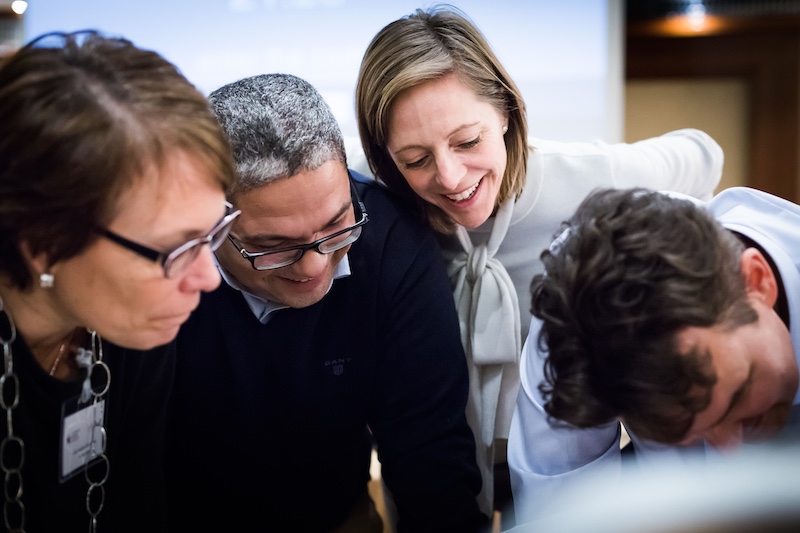
We discussed what teambuilding is in the previous article. Now let’s look at how they can be divided. The basic division can be done according to the venue, the nature of the activity or the goal that the team program is supposed to bring.
The best start does not start with the question “What will we do?”, but “What should the activity bring to people?” Only then does it make sense to decide whether the program will be outdoors, indoors, creative, physical, strategic or a short energizer during the conference.
Types of teambuilding by venue
Outdoor teambuildings use a change of environment, movement and the natural energy of the place. They are suitable for companies that want to get the team out of the office, support informal cooperation and create a stronger shared experience. In nature, it does not have to be just a classic treasure hunt – you can also prepare a creative, strategic or technological activity. Therefore, you do not have to limit yourself to cycling or tennis or volleyball during an event in the mountains, but you can also include a more complex activity in nature that has a greater benefit for the team.
Indoor teambuildings are suitable for conferences, hotel spaces, bad weather or situations where the program should smoothly follow the working part of the event. They can be short and energetic, but also calmer, logical, creative or focused on communication. For example, at Catalyst, we offer a free backup indoor activity for groups of up to 100 people when choosing a purely outdoor activity or an activity that cannot be moved indoors (due to the capacity of the venue).
Online and hybrid teambuildings make sense for teams that work remotely or cannot meet in person. They help maintain contact, engagement and shared team energy.
Types of teambuildings by nature of the activity
Active teambuilding works with movement, competition and group dynamics. It is suitable when you want to get the team moving, give the event a pace and create a relaxed atmosphere. However, this does not mean that it cannot have an emphasis on communication or project management.
Logical or strategic teambuilding develops cooperation, planning, decision-making and communication. Participants solve tasks together, share information and look for the best course of action, which shows well how a team works under pressure and in normal cooperation.
Creative teambuilding supports creativity and a common result. It can be, for example, a picture, a film, an object, a musical output or another team project, where not only fun is important, but also the involvement of different types of people.
Types of teambuildings by goal
Networking teambuildings help people to establish contact, get to know colleagues from other teams and break down communication barriers. They are suitable for larger company meetings, new teams or events where people who do not normally work together meet.
Energizers are short activities that give participants energy and raise their attention. They work great during conferences, for example between two program blocks, after lunch or before an important part of the program.
Adaptive teambuildings support teams in changes, growth, reorganization or new challenges. They help people better understand the situation, get involved in the change and safely try out new ways of working together.
Developmental teambuildings focus on specific team skills, such as communication, trust, planning, decision-making or role alignment. They are suitable when the activity is intended to bring not only an experience, but also a practical impact on everyday work.
Motivational teambuildings serve as a thank you, award or shared experience after a difficult period. Their goal is to strengthen a positive atmosphere, belonging and the desire to continue together.
How to choose the right teambuilding
First, clarify what the activity is intended to bring to people: energy, connection, better communication, creativity, adaptation to change or a shared experience. Then consider the venue, the length of the program, the number of participants and the nature of the group.
If you are going to a beautiful mountain environment, it is a shame to stay in the meeting room all day. The outdoor environment can increase the engagement of the participants and add natural energy to the program. At the same time, it is true that an outdoor activity in nature does not have to be just an ordinary treasure hunt – it can be creative, strategic or fully adapted to the theme of the entire event.
There are many types of team building activities, but the best activity is the one that fits the team’s goals. When you know what the program is intended to bring to people, you can better choose the format, environment and style of the activity. If you are not sure, we are happy to help you find a team building activity that will be fun, meaningful and beneficial for your team.